Buy antoniocostapinto.eu ?
We are moving the project
antoniocostapinto.eu .
Are you interested in purchasing the domain
antoniocostapinto.eu ?
domain@kv-gmbh.de · 0541-91531010
Buy antoniocostapinto.eu ?
How is the partitive formed?
The partitive is formed in French by using the preposition "de" followed by the definite article "le," "la," or "les." This combination contracts to form "du," "de la," or "des" before a singular or plural noun, respectively. For example, "some bread" is "du pain" and "some apples" is "des pommes." The partitive is used to indicate an unspecified quantity or portion of a mass noun. **
What is the French partitive article?
The French partitive article is used to indicate an unspecified quantity of a noun that cannot be counted. It is formed by combining the preposition "de" with the definite article corresponding to the noun's gender and number. For example, "du" is used with masculine singular nouns, "de la" with feminine singular nouns, and "des" with plural nouns. The partitive article is used in French to express concepts like some, any, or a part of something. **

Similar search terms for Partitive
Top-Angebote
Products related to Partitive:
-
Fashion Sheath ONOLA Automatic Mechanical Luxury Men Watch For Business And Military Style blackTrue confidence isn't just about what you achieve, but how you command your time along the way. The ONOLA automatic mechanical watch is crafted for the modern man who values precision engineering, rugged durability, and timeless elegance. Whether...94,97 $*Shipping: 0,00 $Secure redirect to the provider
-
Fashion Sheath Luxury Mens Wine Barrel Watch With Luminous Dial And Calendar Sports Design blueElevate your wrist game with a design that refuses to blend into the crowd. This wine barrel watch combines a bold, architectural silhouette with the practical utility of a modern mens luxury sports watch. Crafted for those who appreciate refined...44,97 $*Shipping: 0,00 $Secure redirect to the provider
-
Fashion Sheath Luxury Mens Wine Barrel Watch With Luminous Dial And Calendar Sports Design redElevate your wrist game with a design that refuses to blend into the crowd. This wine barrel watch combines a bold, architectural silhouette with the practical utility of a modern mens luxury sports watch. Crafted for those who appreciate refined...44,97 $*Shipping: 0,00 $Secure redirect to the provider
-
Fashion Sheath Luxury Mens Wine Barrel Watch With Luminous Dial And Calendar Sports Design orangeElevate your wrist game with a design that refuses to blend into the crowd. This wine barrel watch combines a bold, architectural silhouette with the practical utility of a modern mens luxury sports watch. Crafted for those who appreciate refined...44,97 $*Shipping: 0,00 $Secure redirect to the provider


-
What is the rule for the partitive article?
The rule for the partitive article in French is to use "de" followed by the definite article (le, la, les) to indicate an unspecified quantity or some of a mass noun. For example, "du" is used for masculine singular nouns, "de la" for feminine singular nouns, and "des" for plural nouns. The partitive article is used when referring to an unknown or unspecified quantity of something. **
-
What are partitive articles in the French language?
Partitive articles in French are used to indicate an unspecified quantity of a noun. They are used when referring to a portion or some of a mass noun, such as food or liquid. The partitive articles in French are "du" (for masculine nouns), "de la" (for feminine nouns), and "de l'" (for nouns starting with a vowel or silent "h"). These articles are essential for expressing the concept of some or any in French. **
-
How do you form the genitive partitive in Latin?
In Latin, the genitive partitive is formed by using the genitive case of the noun followed by the word "partis" or "partis" (depending on the gender of the noun) to indicate a part of the whole. For example, if the noun is "puella" (girl), the genitive partitive would be "puellae partis" to indicate "part of the girl." This construction is used to express the idea of "some of" or "a part of" something. **
-
What are partitive articles and quantity increases in French?
Partitive articles in French are used to indicate an unspecified quantity of a noun. They are used with uncountable nouns or when referring to a portion of something. Quantity increases in French involve using words like "plus de" (more), "beaucoup de" (a lot of), or "trop de" (too much) to indicate an increase in the quantity of something. These expressions are used to specify a larger amount of a noun compared to using just the partitive article. **

When do you use the partitive article in French?
The partitive article in French is used to indicate an unspecified quantity of a mass noun. It is used when referring to a part of a whole, or an unspecified amount of something. For example, "du" is used for masculine nouns, "de la" for feminine nouns, and "de l'" for nouns starting with a vowel or silent "h". It is important to use the partitive article when talking about food, drinks, or other uncountable nouns in French. **
Can you please help me with the partitive article?
The partitive article is used in French to indicate an unspecified quantity of something. It is often used with uncountable nouns to express "some" or "any" in English. The partitive article changes depending on the gender and number of the noun it precedes. For example, "du" is used before masculine singular nouns, "de la" before feminine singular nouns, and "des" before plural nouns. It is important to use the correct partitive article to indicate the appropriate quantity in French. **
Top-Angebote
Products related to Partitive:
-
Sagebrook Home Clay Handmade Decorative Vase Textured and Sculptural Artisan DesignInfuse your home with rustic elegance using this handcrafted clay and pottery vase set, perfect for adding character to your living room, bedroom, office, or any favorite nook in your home.150,49 $*Shipping: 0,00 $Secure redirect to the provider
-
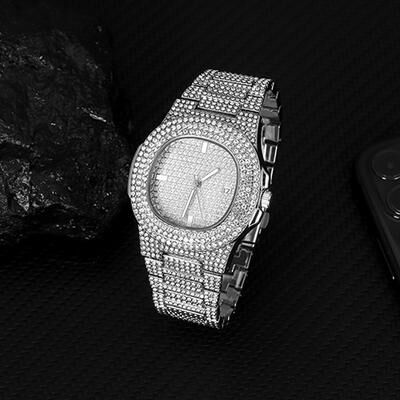
Youfap Market Exquisite Fashion Design Luxury Diamond Encrusted Hip Hop Watch, Perfect Gift For Men And Women, Casual Party Style silverElegant Luxury Meets Stylish Hip Hop Design Introducing the Luxury DiamondEncrusted Hip Hop Watch, a sophisticated blend of opulence and urban flair. Crafted with precision and adorned with dazzling diamonds, this exquisite timepiece makes a bold...64,97 $*Shipping: 0,00 $Secure redirect to the provider
-
Fashion Sheath ONOLA Automatic Mechanical Luxury Men Watch For Business And Military Style blackTrue confidence isn't just about what you achieve, but how you command your time along the way. The ONOLA automatic mechanical watch is crafted for the modern man who values precision engineering, rugged durability, and timeless elegance. Whether...94,97 $*Shipping: 0,00 $Secure redirect to the provider
-
Fashion Sheath Luxury Mens Wine Barrel Watch With Luminous Dial And Calendar Sports Design blueElevate your wrist game with a design that refuses to blend into the crowd. This wine barrel watch combines a bold, architectural silhouette with the practical utility of a modern mens luxury sports watch. Crafted for those who appreciate refined...44,97 $*Shipping: 0,00 $Secure redirect to the provider
-
How is the partitive formed?
The partitive is formed in French by using the preposition "de" followed by the definite article "le," "la," or "les." This combination contracts to form "du," "de la," or "des" before a singular or plural noun, respectively. For example, "some bread" is "du pain" and "some apples" is "des pommes." The partitive is used to indicate an unspecified quantity or portion of a mass noun. **
-
What is the French partitive article?
The French partitive article is used to indicate an unspecified quantity of a noun that cannot be counted. It is formed by combining the preposition "de" with the definite article corresponding to the noun's gender and number. For example, "du" is used with masculine singular nouns, "de la" with feminine singular nouns, and "des" with plural nouns. The partitive article is used in French to express concepts like some, any, or a part of something. **
-
What is the rule for the partitive article?
The rule for the partitive article in French is to use "de" followed by the definite article (le, la, les) to indicate an unspecified quantity or some of a mass noun. For example, "du" is used for masculine singular nouns, "de la" for feminine singular nouns, and "des" for plural nouns. The partitive article is used when referring to an unknown or unspecified quantity of something. **
-
What are partitive articles in the French language?
Partitive articles in French are used to indicate an unspecified quantity of a noun. They are used when referring to a portion or some of a mass noun, such as food or liquid. The partitive articles in French are "du" (for masculine nouns), "de la" (for feminine nouns), and "de l'" (for nouns starting with a vowel or silent "h"). These articles are essential for expressing the concept of some or any in French. **
Similar search terms for Partitive
-
Fashion Sheath Luxury Mens Wine Barrel Watch With Luminous Dial And Calendar Sports Design redElevate your wrist game with a design that refuses to blend into the crowd. This wine barrel watch combines a bold, architectural silhouette with the practical utility of a modern mens luxury sports watch. Crafted for those who appreciate refined...44,97 $*Shipping: 0,00 $Secure redirect to the provider
-
Fashion Sheath Luxury Mens Wine Barrel Watch With Luminous Dial And Calendar Sports Design orangeElevate your wrist game with a design that refuses to blend into the crowd. This wine barrel watch combines a bold, architectural silhouette with the practical utility of a modern mens luxury sports watch. Crafted for those who appreciate refined...44,97 $*Shipping: 0,00 $Secure redirect to the provider
-
Fashion Sheath Luxury Mens Wine Barrel Watch With Luminous Dial And Calendar Sports Design yellow1Elevate your wrist game with a design that refuses to blend into the crowd. This wine barrel watch combines a bold, architectural silhouette with the practical utility of a modern mens luxury sports watch. Crafted for those who appreciate refined...44,97 $*Shipping: 0,00 $Secure redirect to the provider
-
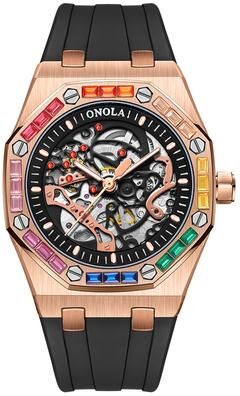
Fashion Sheath ONOLA Automatic Mechanical Luxury Men Watch For Business And Military Style rose BlackTrue confidence isn't just about what you achieve, but how you command your time along the way. The ONOLA automatic mechanical watch is crafted for the modern man who values precision engineering, rugged durability, and timeless elegance. Whether...94,97 $*Shipping: 0,00 $Secure redirect to the provider
-
How do you form the genitive partitive in Latin?
In Latin, the genitive partitive is formed by using the genitive case of the noun followed by the word "partis" or "partis" (depending on the gender of the noun) to indicate a part of the whole. For example, if the noun is "puella" (girl), the genitive partitive would be "puellae partis" to indicate "part of the girl." This construction is used to express the idea of "some of" or "a part of" something. **
-
What are partitive articles and quantity increases in French?
Partitive articles in French are used to indicate an unspecified quantity of a noun. They are used with uncountable nouns or when referring to a portion of something. Quantity increases in French involve using words like "plus de" (more), "beaucoup de" (a lot of), or "trop de" (too much) to indicate an increase in the quantity of something. These expressions are used to specify a larger amount of a noun compared to using just the partitive article. **
-
When do you use the partitive article in French?
The partitive article in French is used to indicate an unspecified quantity of a mass noun. It is used when referring to a part of a whole, or an unspecified amount of something. For example, "du" is used for masculine nouns, "de la" for feminine nouns, and "de l'" for nouns starting with a vowel or silent "h". It is important to use the partitive article when talking about food, drinks, or other uncountable nouns in French. **
-
Can you please help me with the partitive article?
The partitive article is used in French to indicate an unspecified quantity of something. It is often used with uncountable nouns to express "some" or "any" in English. The partitive article changes depending on the gender and number of the noun it precedes. For example, "du" is used before masculine singular nouns, "de la" before feminine singular nouns, and "des" before plural nouns. It is important to use the correct partitive article to indicate the appropriate quantity in French. **
* All prices are inclusive of VAT and, if applicable, plus shipping costs. The offer information is based on the details provided by the respective shop and is updated through automated processes. Real-time updates do not occur, so deviations can occur in individual cases. ** Note: Parts of this content were created by AI.